R O T A T I O N
We are rotating our bodies all day long. The most common movement is when turning the neck while driving, but really rotation is used in all movements in the transverse plane either vertically or horizontally. The goal of this movement is to improve thoracic and lumbar mobility, as well as prevent back injury by stabilizing the spine.
The primary muscles used in rotational movements are the obliques, abdominals, and erector spinae.
B E N E F I T S
- Improved mobility of thoracic spine
- Increased stabilization in lumbar and thoracic spine
- Power and strength while using twisting movements in sports such as:
- Baseball
- Tennis
- Skiing
- Rowing
- Etc.
- Decreased risk of thoracic and lumbar injury of the spine
A S S E S S M E N T S
- Thoracic spine mobility test
C O M M O N F A U L T S
- Rotation of head without movement of body (which means a person would not have the support of their body while doing rotational activities)
- Over-rotation of hips
- Movement of body without head
- Twisting of thoracic spine without stabilization
Exercise Example: Walking Transverse Lunges
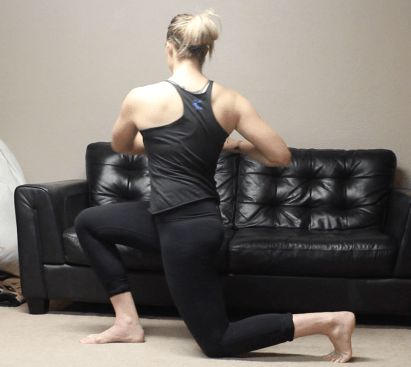
- Lunge forward by placing forward foot on ground facing strait in front of you
- Back knee can be lightly placed on the ground, or hoover it right above the ground
- Twist your body towards the same side as your bent knee at the thoracic spine
- Keep your hips facing strait forward as your rotate
- Your head, cervical spine, and thoracic spine should all stay aligned throughout the entire movement
- Rotate until you feel a stretch and then come back to face forward
- Stand up with front foot and then step forward with the opposite foot and repeat rotation on that side
 Orenda